


Blog list
Brookdale Health Blog
Learn more about chiropractic care in our blog!

Shoulder pain after a car accident can develop immediately or appear hours or days after the collision. The sudden force of an accident can strain muscles, ligaments, and joints, leading to discomfort, stiffness, and limited mobility. At Brookdale Health in Brooklyn Center, MN, we help patients address auto accident injuries through personalized treatment plans designed to support recovery and improve movement.

Returning to work after a car accident can feel like an important step toward getting back to normal. However, if you were involved in a collision along I-94 or elsewhere near Brooklyn Center, lingering fatigue and stiffness can make the workday and daily commute more difficult than expected. Even when pain seems manageable, your body may still be recovering from the forces of the crash.

August can be one of the busiest months of the year. Road trips, outdoor recreation, yard projects, sports, and preparations for the school year can all place extra strain on the body. A collision, awkward lift, fall, or repetitive activity may leave you with pain, stiffness, weakness, or limited movement.

After a car crash, it is normal to have questions about pain, treatment, paperwork, and cost. If you were injured in Minnesota, no-fault auto insurance may help pay for necessary medical care, including chiropractic care, after an accident. Understanding how it works can make it easier to get evaluated instead of delaying treatment because you are worried about the bill.

Starting care after an injury, accident, or ongoing pain can feel overwhelming, especially if you are not sure what the first visit includes. At Brookdale Health in Brooklyn Center, new patients receive a free consultation designed to help you understand your symptoms, discuss your concerns, and learn what type of care may be appropriate.

Learn the warning signs of a whiplash injury and when to seek care. Discover key symptoms that may indicate a whiplash injury after an accident.
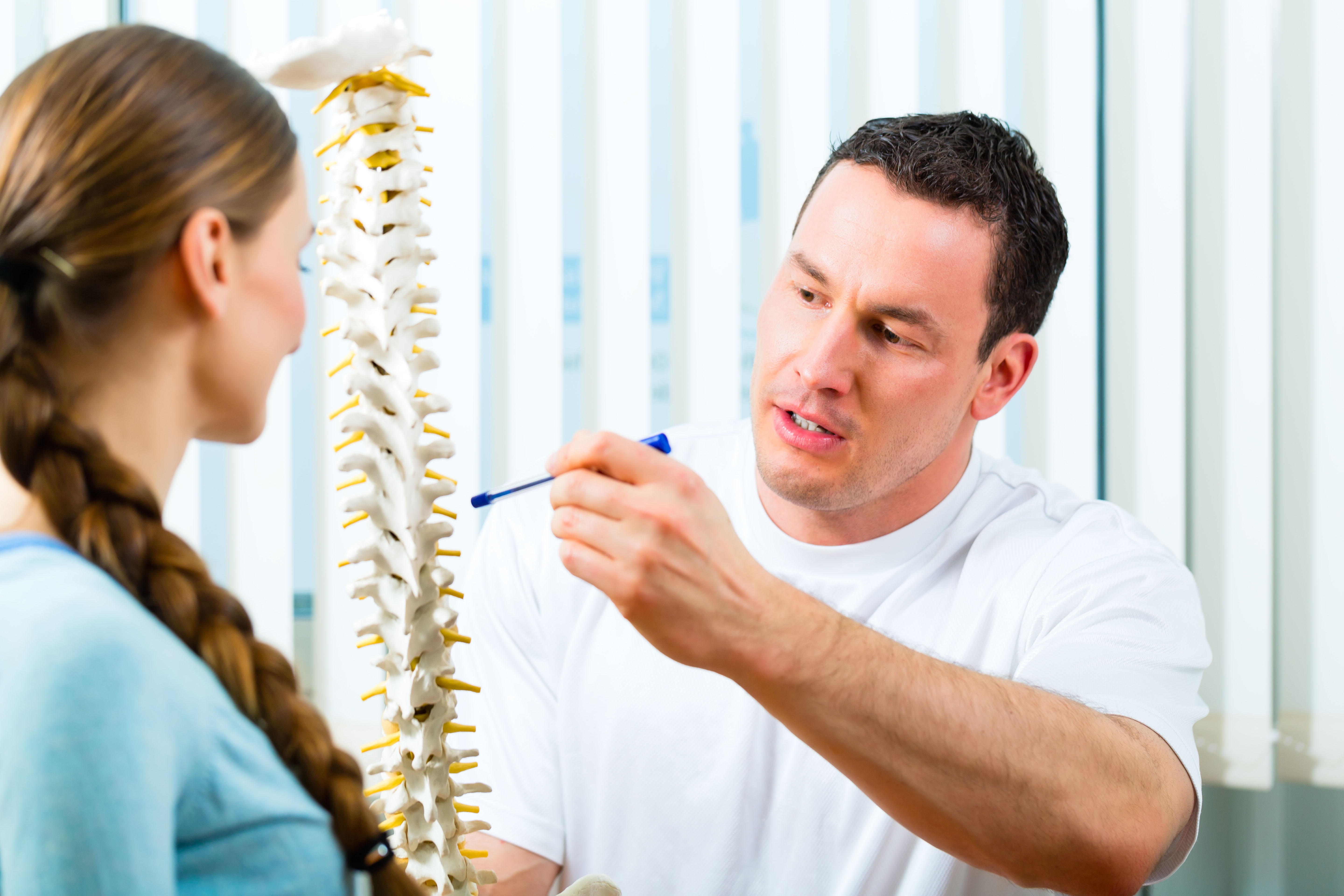
Many people assume that serious injuries are immediately obvious following a collision. While some injuries cause immediate pain and visible symptoms, others develop gradually over hours, days, or even weeks. This delay can make it difficult for accident victims to recognize the full extent of their condition.

Recovering after an accident can take time. Many people look for support from physical therapists during this process because guided care can help improve strength, mobility, and comfort over time.
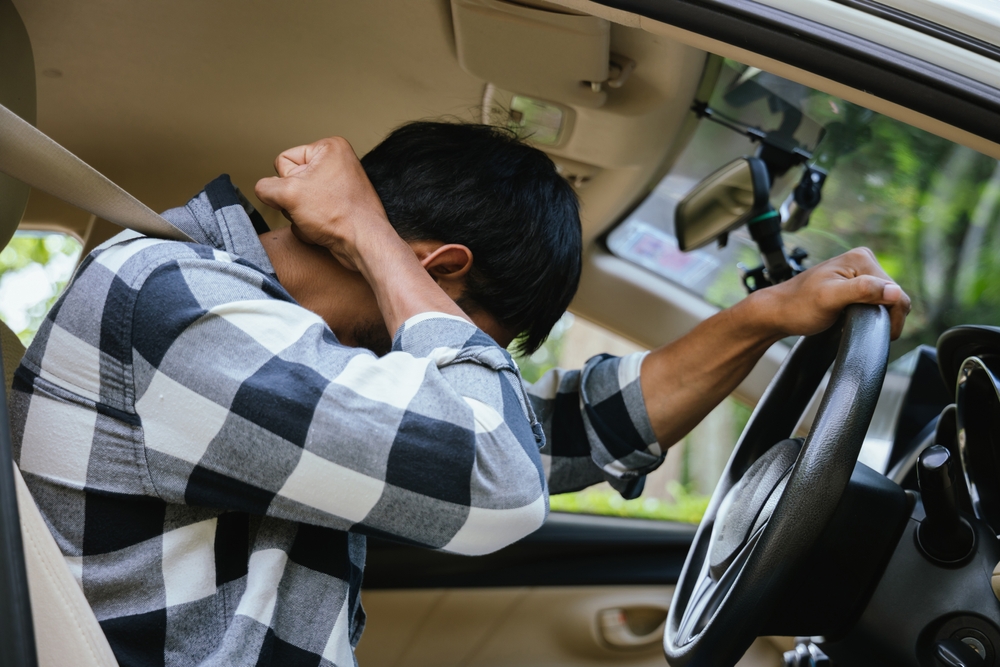
A minor car accident may not seem serious at first, especially if the vehicles have little visible damage. However, the body can still absorb a sudden force during a low-speed collision. In Brooklyn Center, we often see patients who walk away from a crash feeling fine, only to notice pain, stiffness, or headaches hours or days later.
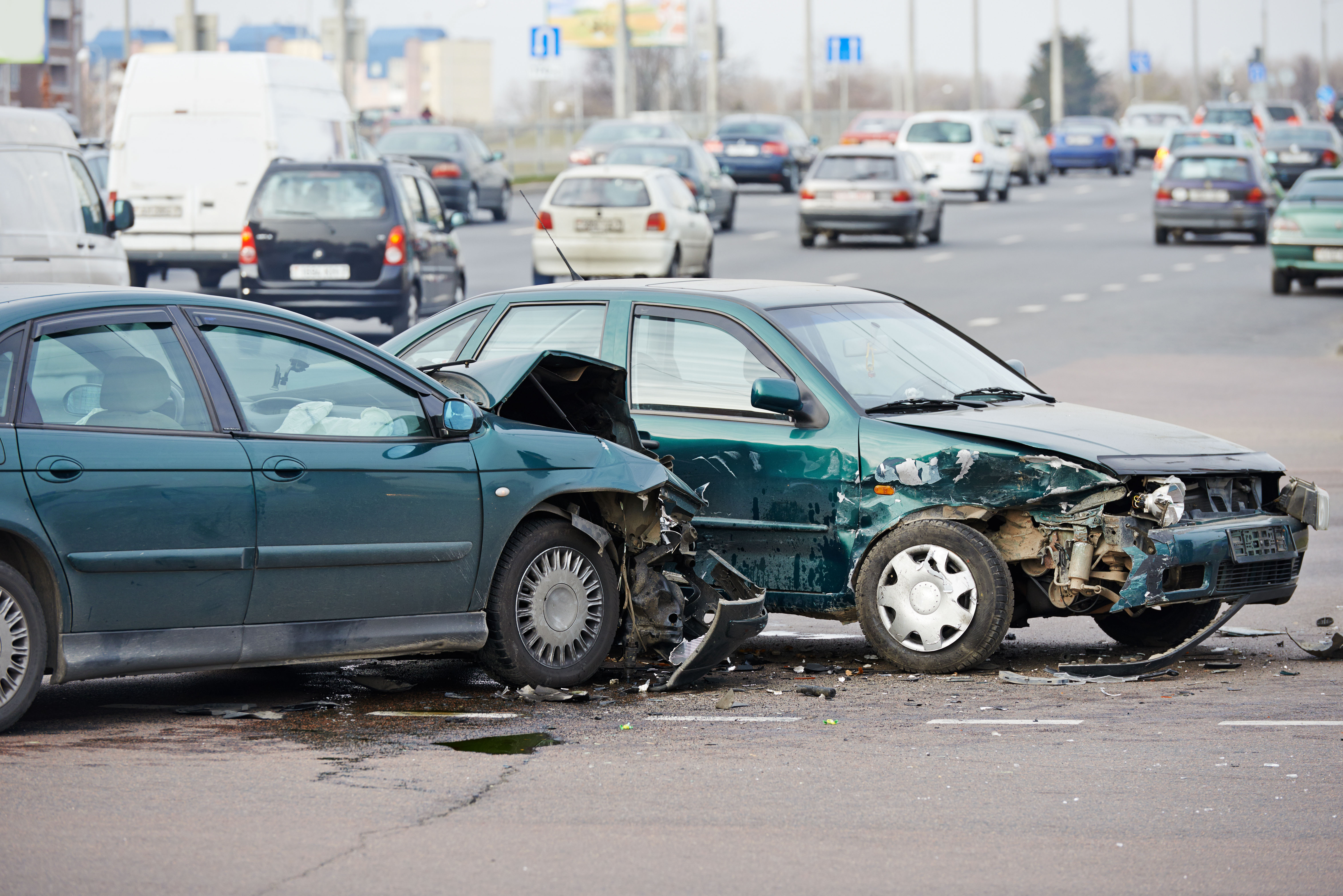
Learn what to watch for after a car accident, including signs of whiplash, hidden injuries, and when to seek medical care to protect your health and recovery.


Contact us to Schedule your Appointment today!
Monday
8:00 AM - 6:00 PM
Tuesday
8:00 AM - 1:00 PM
Wednesday
8:00 AM - 6:00 PM
Thursday
8:00 AM - 6:00 PM
Friday
8:00 AM - 1:00 PM
Saturday
Closed
Sunday
Closed
Powered by 