


The Most Common Types of Injuries After a Car Accident and How to Recover
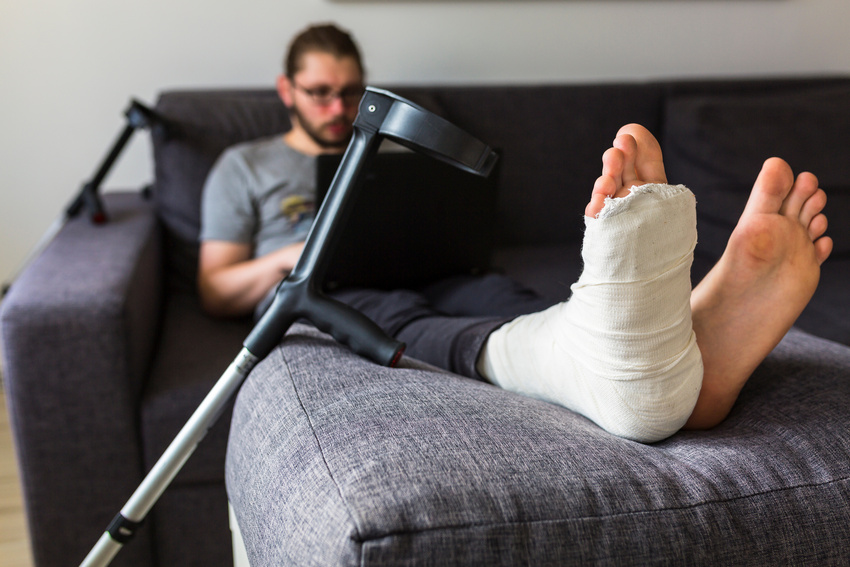
Car accidents can have life-altering consequences, often resulting in various physical injuries. Understanding these injuries and the recovery processes associated with them is crucial for anyone who finds themselves in such unfortunate circumstances. With proper knowledge and an effective recovery plan, it is possible to mitigate the impacts of these injuries and improve your quality of life. Moreover, it is essential to recognize that injuries sustained in car accidents can affect not only physical health but also emotional and psychological well-being. Proactive and comprehensive management of these injuries is key to successful recovery.
Whiplash and Neck Injuries
Whiplash is one of the most common injuries resulting from car accidents, typically caused by a sudden jerking motion of the head and neck. This neck injury occurs most often in rear-end collisions when the impact forces the neck to whip back and forth violently. The sudden movement can damage the soft tissues, including muscles, ligaments, and tendons, leading to prolonged pain and discomfort. Individuals who suffer from whiplash may experience a variety of symptoms, including neck stiffness, reduced range of motion, headaches, and shoulder pain. Immediate diagnosis and treatment are crucial to prevent long-term complications and ensure a swift recovery.
In the early stages, identifying the symptoms of whiplash is important for timely intervention. These symptoms typically manifest within 24 hours post-accident, although they may sometimes take longer to appear. In addition to physical discomfort, some people may experience emotional and cognitive challenges, such as difficulties concentrating or irritability. It is critical to monitor anyone involved in an accident carefully and seek medical advice if whiplash is suspected. Early diagnosis not only aids in effective treatment but also provides a clearer understanding of the severity of the injury, which helps in formulating a suitable recovery plan.
Treatment for whiplash usually involves a combination of therapies tailored to the individual's needs. Physical therapy is a cornerstone of whiplash recovery, helping to restore mobility and reduce pain through targeted exercises. Chiropractic care and massage therapy can also be beneficial, as they work to alleviate muscle tension and improve circulation. Pain management strategies, including over-the-counter pain medications or prescription drugs, are often recommended by healthcare providers to aid recovery. Completing a rehabilitation program can greatly enhance recovery prospects and prevent chronic problems.
Head and Brain Trauma
Another serious injury resulting from car accidents is head trauma, which can range from mild concussions to severe traumatic brain injuries (TBIs). The violence of the impact can cause the head to strike against various surfaces within the vehicle, leading to a range of potential injuries. Common types of head trauma include contusions, lacerations, and skull fractures, all of which can have significant physical and cognitive repercussions. It is important for individuals involved in a car accident to be aware of the risk of head injury and seek immediate medical evaluation if they suspect any damage has occurred. Quick intervention can reduce the risk of further complications and facilitate recovery.
The effects of head and brain trauma can be both short-term and long-term, depending on the severity of the injury. In the immediate aftermath of an accident, individuals may experience confusion, dizziness, headaches, or loss of consciousness. Longer-term effects can include memory problems, difficulty concentrating, or personality changes, which may necessitate ongoing management and support. Understanding the potential impact of these injuries on daily life is crucial to effectively addressing them. According to the National Highway Traffic Safety Administration (NHTSA), an estimated 17,140 people lost their lives in motor vehicle crashes from January through June 2025, underscoring the seriousness of head and brain injuries.
Diagnosis of head trauma typically involves a series of tests, including CT scans or MRIs, to assess the extent of the injury. Prompt and accurate diagnostic procedures are fundamental in formulating an effective treatment plan that may include medication, surgery, or rehabilitation. Specialized care from neurologists and other medical professionals often forms an essential part of this process. For many patients, recovery also involves psychological support, as coping with the aftermath of a head injury can be emotionally challenging. A comprehensive approach to treatment enhances recovery and improves long-term quality of life following a head or brain injury.
Spinal Cord and Back Injuries
Spinal cord and back injuries are common in car accidents, often resulting from the immense force of a collision. These injuries can range from mild strains to severe damage, such as fractures or dislocation of the vertebrae. Damage to the spinal cord can be especially concerning, potentially leading to partial or complete paralysis depending on the injury's location and severity. Recognizable symptoms include acute back pain, numbness, or tingling in the limbs, and, in severe cases, loss of bladder or bowel control. Immediate medical attention is vital to prevent further damage and improve recovery outcomes.
Recognizing the warning signs of spinal injuries is crucial in the aftermath of an accident. Symptoms may include persistent neck or back pain, loss of sensation in the extremities, or sudden weakness. Any sign of spinal injury should prompt urgent medical evaluation, as delays can exacerbate the condition. Treatment options vary based on the injury's nature, with surgical and non-surgical approaches both potential avenues for intervention. Early and accurate assessment of spinal injuries helps in planning a treatment strategy that maximizes recovery prospects and minimizes complications.
Rehabilitation plays a critical role in the recovery from spinal cord and back injuries. Physical therapy typically forms the cornerstone of rehabilitation, focusing on restoring strength and flexibility, improving balance, and enhancing overall function. Pain management strategies, including medications and alternative therapies like acupuncture, are often necessary to assist in the recovery process. Occupational therapy can also be instrumental in helping individuals adapt to any limitations imposed by their injuries, enabling them to regain independence. A multidisciplinary approach to treatment is essential to optimize outcomes and facilitate a successful return to daily life.
Fractures and Broken Bones
Fractures and broken bones are prevalent injuries in car accidents, stemming from the immense forces exerted during a collision. Commonly affected areas include the arms, legs, ribs, and collarbone, although any bone can be at risk. The severity of fractures can vary significantly, from simple clean breaks to more complex multi-fragment injuries that require surgical intervention. Prompt recognition and stabilization of suspected fractures are essential first steps in the management of these injuries. Appropriate medical care can reduce pain and prevent complications such as infections or improper healing.
After a car accident, immediate steps should be taken to manage fractures effectively. Immobilizing the affected area, typically using a splint or cast, is critical to prevent further injury and promote healing. Medical professionals will often order X-rays or other diagnostic imaging to assess the full extent of the damage before proceeding to treatment. In some cases, surgery may be necessary to realign bones or insert hardware to stabilize the fracture. Understanding and following medical advice is crucial to facilitate recovery and ensure bones heal correctly.
The healing process for fractures generally involves a period of immobilization followed by physical rehabilitation. During immobilization, the body works to repair the bone, a process that can take several weeks to months depending on the injury's severity and location. Once the bone is sufficiently healed, rehabilitation focuses on restoring strength and mobility through guided exercises. Preventing future risks involves understanding the factors that led to the fracture and taking proactive steps to avoid similar incidents in the future.
Recovering from a car accident involves understanding different types of injuries and utilizing a combination of medical treatments and support systems. Physical injuries can range from whiplash to fractures and internal injuries, each requiring specific therapies and interventions. Equally important is addressing the emotional and psychological impact of the trauma, requiring professional support and stress management. As the NHTSA reports significant fatalities due to motor vehicle crashes, it underscores the importance of comprehensive approaches to prevention and recovery. With the proper care and rehabilitation, individuals can regain their health and well-being. If you or someone you know has suffered car accident injuries and needs physical rehab, contact Brookdale Health.


Contact us to Schedule your Appointment today!
Monday
8:00 AM - 6:00 PM
Tuesday
8:00 AM - 1:00 PM
Wednesday
8:00 AM - 6:00 PM
Thursday
8:00 AM - 6:00 PM
Friday
8:00 AM - 1:00 PM
Saturday
Closed
Sunday
Closed
Powered by 