


Drive With Confidence: Your Guide to Auto Accident Preparedness
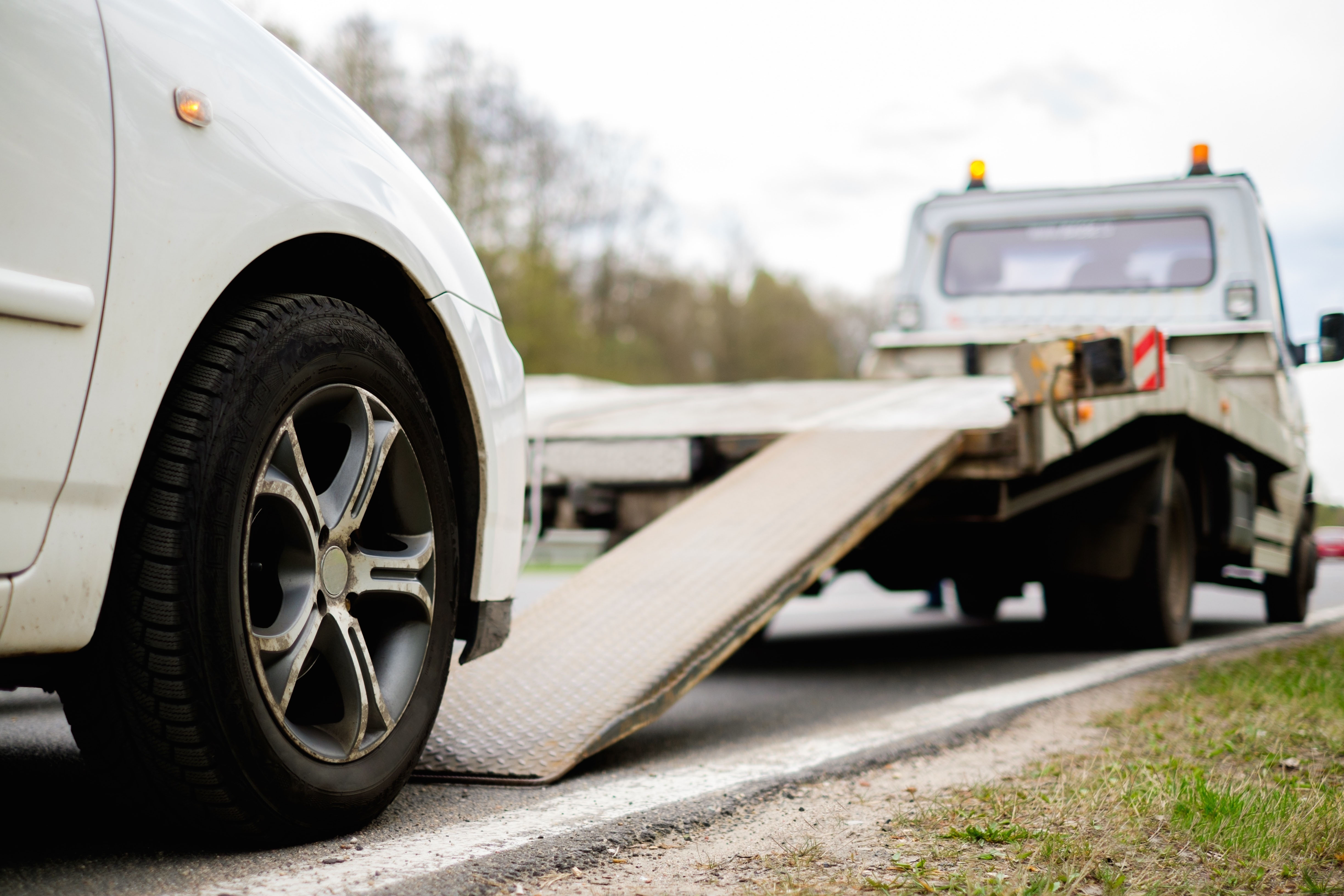
Facing an auto accident is a reality every driver should prepare for. Being ready can reduce the impact on your health, finances, and peace of mind. With so many vehicles on the road, proactive preparation is key. Understanding how to handle accidents empowers you to respond quickly and safely, minimizing potential complications and stress. Preparation involves not just tools but mindset, knowledge, and a plan that covers all aspects of an auto accident injury scenario. Drivers who anticipate potential challenges and plan accordingly often experience less confusion and fear when accidents occur. The combination of awareness, preparation, and calm decision-making can make a critical difference in outcomes after an accident.
Beyond immediate safety, preparing for an accident also includes long-term considerations. This involves knowing how to navigate insurance claims, potential legal procedures, and rehabilitation following an auto accident injury. Educating yourself about typical accident scenarios and best practices allows you to approach situations with confidence. It also reduces the likelihood of mistakes that can prolong recovery or complicate claims. Comprehensive preparation reinforces the idea that safety is not just about avoiding accidents but also about managing their aftermath effectively.
1. Keep an Emergency Kit in Your Vehicle
1.1 Essential First Aid Supplies
Having a first aid kit can be lifesaving after an accident. Include bandages, gauze pads, antiseptic wipes, gloves, and pain relievers. A well-stocked kit allows immediate care for yourself or others while awaiting emergency responders. Regularly check items for expiration and replace used supplies. Knowledge of basic first aid enhances the kit's usefulness and can reduce the severity of an auto accident injury. Additionally, consider including a CPR face shield, cold packs, and a thermal blanket for severe weather or shock situations.
1.2 Basic Tools and Equipment
Carry tools like a flashlight, multi-tool, jumper cables, spare tire, jack, and tire iron. These items help manage minor vehicle issues after an accident. Keep them in accessible locations and ensure they are in working order. Understanding how to use each tool can make a significant difference during post-accident recovery, especially in stressful situations. Extra supplies like duct tape, cable ties, and a small fire extinguisher can also provide additional safety benefits.
1.3 Emergency Contact Information
Maintain a list of personal emergency contacts, local authorities, roadside assistance, and insurance information. Keep a printed copy in the glove box and save contacts in your phone. Updating this list regularly ensures you have immediate access to help, which is crucial when dealing with an auto accident injury. Clear communication with these contacts facilitates quicker assistance and peace of mind. Consider also including your physician's number and local hospital information in case of serious injury.
1.4 Road Flares and Reflective Triangles
Use road flares and reflective triangles to alert other drivers after an accident. Proper placement ensures visibility in all conditions, preventing secondary accidents. Regularly check the condition of these items and familiarize yourself with their use. Effective deployment provides a safer environment for everyone on the road after a mishap. Reflective vests for passengers can further increase visibility, especially during nighttime or foggy conditions.
1.5 Water and Non-Perishable Snacks
Accidents can result in long waits for help, especially in remote areas. Keep bottled water and non-perishable snacks like energy bars in your vehicle. These provisions help maintain hydration and energy, improving decision-making during stressful situations related to an auto accident injury. Including items like a small first-aid nutrition pack can also benefit children or passengers with specific dietary needs.
2. Maintain Comprehensive Insurance Coverage
2.1 Understanding Your Policy Options
Comprehensive insurance coverage is vital. Review options including liability, collision, comprehensive, personal injury protection (PIP), and uninsured motorist coverage. Understand how each applies to your needs. Periodically review your policy to ensure it remains aligned with your circumstances and legal requirements, keeping you financially secure after an auto accident injury. Additionally, verify whether your policy includes rental car coverage, roadside assistance, and coverage for natural disasters, as these can significantly reduce post-accident stress.
2.2 Coverage for Personal Injuries
PIP coverage assists with medical and rehabilitation costs after an accident, regardless of fault. It can include therapies, psychiatric care, and lost income. Ensuring sufficient personal injury coverage protects your financial well-being while recovering from an auto accident injury and provides peace of mind during the healing process. If your policy allows, consider adding coverage for long-term care or rehabilitation, which can be essential for severe injuries.
2.3 Property Damage Protection
Property damage coverage addresses repair or replacement costs for your vehicle and other affected property. Understand the limits and features of your policy to avoid unexpected expenses. This coverage ensures you can recover financially from an accident while minimizing stress. Comprehensive property coverage can also protect against damages from theft, vandalism, or weather-related incidents, enhancing your vehicle’s protection.
2.4 Adding Roadside Assistance
Roadside assistance covers towing, flat tire changes, jump-starts, lockouts, and fuel delivery. Including this service in your policy ensures immediate help after an accident, allowing you to focus on medical needs or insurance claims rather than vehicle issues, further reducing stress from an auto accident injury. Some policies also include emergency accommodation for longer incidents, which can be invaluable in remote areas.
2.5 Regularly Reviewing and Updating Your Policy
Regular policy reviews ensure coverage matches changing circumstances, such as vehicle upgrades or new legal requirements. Consult with insurance professionals to update your plan and avoid gaps that could complicate handling an auto accident injury. Continuous updates maintain a safety net for drivers and allow for adjustments to premium changes or additional riders that enhance protection.
3. Document and Understand Your Vehicle's Vulnerabilities
3.1 Keeping a Maintenance Log
Maintain a log of routine repairs, inspections, and part replacements. This record helps identify potential risks and prevents breakdowns that could worsen the impact of an auto accident injury. Include dates, mileage, and service details to provide a comprehensive reference for future maintenance and emergency response. A digital backup can also ensure records are accessible even if physical copies are damaged during an accident.
3.2 Regular Vehicle Inspections
Periodic inspections of brakes, tires, lights, and fluids reduce the likelihood of preventable accidents. Addressing mechanical issues proactively minimizes risk, improving overall safety and reducing the severity of injuries if an accident occurs. Inspect suspension and steering components, as these can affect vehicle control during sudden maneuvers.
4. Understand Safe Driving Practices
4.1 Defensive Driving Techniques
Practicing defensive driving reduces the probability of collisions. Maintain safe following distances, anticipate other drivers' actions, and adjust for weather conditions. Staying alert helps prevent accidents and limits the extent of auto accident injuries when collisions occur. Attending defensive driving courses can enhance skills and awareness.
4.2 Avoiding Distractions
Minimize distractions such as mobile devices, eating, or multitasking while driving. Focused attention improves reaction time and decision-making, decreasing the likelihood of accidents and serious injuries. Encourage passengers to assist with navigation or communication to keep the driver focused on the road.
4.3 Adapting to Weather Conditions
Adjust speed and driving habits to accommodate rain, snow, fog, or ice. Slower reactions in adverse weather can increase accident severity. Understanding how to navigate these conditions protects you and reduces the chances of severe auto accident injuries. Consider equipping your vehicle with all-weather tires and checking traction systems regularly.
Preparing for an auto accident involves combining practical tools, insurance knowledge, vehicle care, and safe driving habits. By keeping an emergency kit, maintaining comprehensive insurance, understanding your vehicle's vulnerabilities, and practicing defensive driving, you reduce risk and mitigate the impact of auto accident injuries. According to the National Highway Traffic Safety Administration (NHTSA), an estimated 17,140 people lost their lives in motor vehicle crashes from January through June 2025, highlighting the importance of preparation. Staying informed, proactive, and vigilant can protect both your health and finances, ensuring safer journeys on the road. Comprehensive preparation also fosters confidence while driving, reduces anxiety in emergencies, and improves recovery outcomes, making it an essential part of responsible vehicle ownership. For more information, contact Brookdale Health.


Contact us to Schedule your Appointment today!
Monday
8:00 AM - 6:00 PM
Tuesday
8:00 AM - 1:00 PM
Wednesday
8:00 AM - 6:00 PM
Thursday
8:00 AM - 6:00 PM
Friday
8:00 AM - 1:00 PM
Saturday
Closed
Sunday
Closed
Powered by 